


Is it possible to operate an air cooled cube ice machine on a generator?
As a supplier of Air Cooled Cube Ice Machines, I often receive inquiries from customers about the various operational aspects of these machines. One question that comes up quite frequently is whether it's possible to operate an air cooled cube ice machine on a generator. In this blog post, I'll delve into this topic, exploring the technical feasibility, potential challenges, and best practices.
Understanding Air Cooled Cube Ice Machines
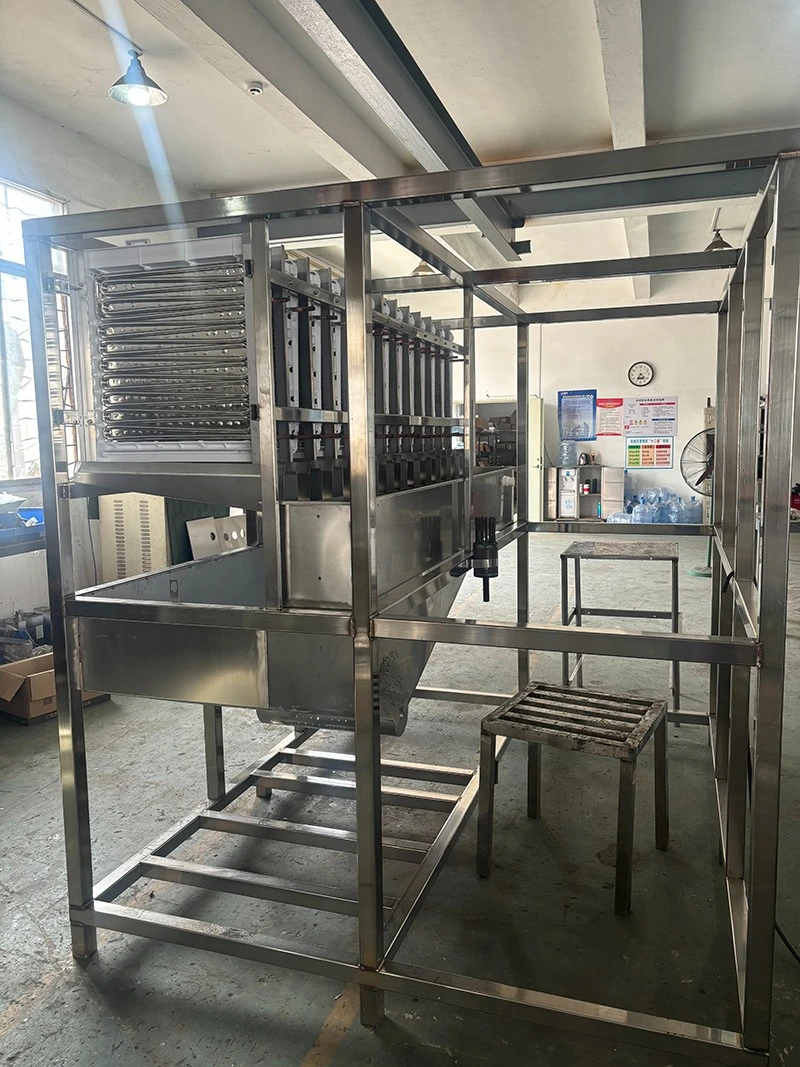
Before we discuss the use of a generator, it's important to understand how air cooled cube ice machines work. These machines are designed to produce ice cubes by cooling water in a refrigeration system. The heat generated during the ice-making process is dissipated into the surrounding air through an air-cooled condenser. This type of ice machine is popular for its simplicity, ease of installation, and relatively low maintenance requirements.
The Feasibility of Using a Generator
The short answer is yes, it is possible to operate an air cooled cube ice machine on a generator. However, several factors need to be considered to ensure a successful and efficient operation.
Power Requirements
The first and most crucial factor is the power requirement of the ice machine. Air cooled cube ice machines come in different sizes and capacities, each with its own power consumption. You need to check the nameplate on your ice machine to determine its rated power in watts or kilowatts. This information will help you select a generator with an appropriate power output.
For example, a small air cooled cube ice machine may have a power requirement of around 1 - 2 kilowatts, while a larger commercial unit could consume 5 - 10 kilowatts or more. It's important to choose a generator that can provide enough power to start and run the ice machine without overloading.
Generator Type
Not all generators are suitable for powering an ice machine. You need to choose a generator that can provide a stable and clean power supply. Inverter generators are a good option as they produce high-quality power with low harmonic distortion, which is essential for the proper operation of sensitive electrical components in the ice machine.
Conventional generators may also work, but they may produce more electrical noise and voltage fluctuations, which could potentially damage the ice machine's control system or other components. If you choose a conventional generator, make sure it has a voltage regulator to maintain a stable output voltage.
Starting Surge
In addition to the running power, ice machines also require a higher amount of power to start up. This is known as the starting surge or inrush current. The starting surge can be two to three times higher than the running power, depending on the size and type of the ice machine.
When selecting a generator, you need to consider the starting surge to ensure that the generator can handle the initial load. Some generators are rated for continuous power and may not be able to handle the starting surge. Make sure to choose a generator with a higher power output than the ice machine's running power to account for the starting surge.
Potential Challenges
While it is possible to operate an air cooled cube ice machine on a generator, there are some potential challenges that you need to be aware of.
Fuel Consumption
Generators consume fuel to produce electricity, and running an ice machine on a generator can result in significant fuel consumption. The fuel consumption rate depends on the size of the generator and the power demand of the ice machine. You need to calculate the fuel consumption and ensure that you have an adequate supply of fuel on hand, especially if you plan to run the ice machine for an extended period.
Noise and Vibration
Generators can be noisy and produce vibrations, which may be a concern in some environments. The noise and vibration can be particularly noticeable if the generator is located close to the ice machine or in a confined space. You may need to take measures to reduce the noise and vibration, such as using a generator with a low noise level or installing vibration isolation pads.
Maintenance
Running a generator requires regular maintenance to ensure its reliable operation. You need to follow the manufacturer's maintenance schedule for the generator, including oil changes, filter replacements, and spark plug inspections. Neglecting maintenance can lead to reduced performance and potential breakdowns, which can disrupt the operation of the ice machine.
Best Practices
To ensure a successful and efficient operation of an air cooled cube ice machine on a generator, here are some best practices to follow:

Proper Sizing
Choose a generator that is appropriately sized for the power requirements of your ice machine. Consider the running power and the starting surge to ensure that the generator can handle the load.
Location
Place the generator in a well-ventilated area away from the ice machine and any flammable materials. Make sure there is enough clearance around the generator for proper air circulation.
Electrical Connection
Use high-quality electrical cables to connect the generator to the ice machine. Make sure the cables are properly sized to handle the current and are free from any damage or fraying. Follow the electrical installation instructions provided by the generator and ice machine manufacturers.
Monitoring
Regularly monitor the operation of the generator and the ice machine. Check the fuel level, oil level, and temperature of the generator. Monitor the ice production and performance of the ice machine to ensure that it is operating normally.
Related Products
If you're interested in other types of ice machines, we also offer Water Cooled Cube Ice Maker, Automatic Small Ice Cube Machine, and Commercial Large Ice Cube Maker. These products are designed to meet different needs and applications, providing high-quality ice production with reliable performance.
Conclusion
In conclusion, it is possible to operate an air cooled cube ice machine on a generator, but careful consideration of power requirements, generator type, and other factors is essential. By following the best practices and addressing the potential challenges, you can ensure a successful and efficient operation of your ice machine on a generator.
If you have any questions or need further assistance in selecting the right generator for your air cooled cube ice machine, or if you're interested in purchasing our ice machines, please feel free to contact us. We're here to help you make the best decision for your business.
References
- Manufacturer's manuals for air cooled cube ice machines and generators.
- Industry standards and guidelines for electrical power systems and ice machine operation.


