


Hey there! As a cold room supplier, I've seen firsthand how crucial a proper water drainage system is for a cold room. Without it, you can run into a whole bunch of problems like mold growth, equipment damage, and even structural issues. So, in this blog post, I'm gonna walk you through the steps of installing a proper water drainage system in a cold room.
Why a Good Drainage System Matters
First off, let's talk about why having a good drainage system is so important. In a cold room, moisture is constantly being generated. This can come from things like the products being stored, the people going in and out, and even the refrigeration process itself. If this moisture isn't drained away properly, it can pool on the floor, leading to slippery surfaces and potential safety hazards.
Moreover, standing water can cause rust and corrosion on the cold room's metal components, reducing their lifespan. It can also create a breeding ground for bacteria and mold, which can contaminate the stored products. So, a well - designed drainage system is essential for the safety, longevity, and efficiency of your cold room.
Planning the Drainage System
Before you start installing anything, you need to do some planning. The first step is to understand the layout of your cold room. Measure the size of the room, including the length, width, and height. You also need to know where the doors, shelves, and refrigeration units are located. This will help you determine the best path for the drainage pipes.
Think about the source of the water. In most cold rooms, the main sources are the defrost water from the evaporators and the condensation on the walls and floors. You'll need to design the system to collect water from these areas effectively.
It's also a good idea to consider the local building codes and regulations. Different areas may have specific requirements for cold room drainage systems, such as the slope of the pipes, the type of materials that can be used, and the connection to the main sewer system. Make sure you comply with all these rules to avoid any legal issues down the line.
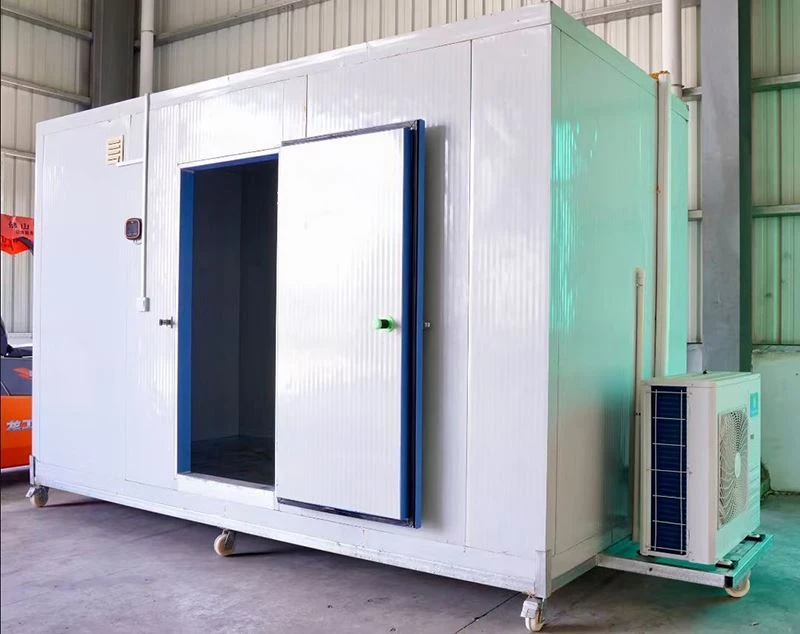

Choosing the Right Materials
Once you have a plan in place, it's time to choose the right materials for your drainage system. The pipes are a crucial component. You'll want to use pipes that are resistant to corrosion and can withstand the low temperatures in the cold room. PVC (polyvinyl chloride) pipes are a popular choice because they're affordable, lightweight, and easy to install. They also have good chemical resistance, which is important since the water in the cold room may contain some contaminants.
For the joints, use high - quality glue or fittings that are designed for PVC pipes. This will ensure a tight seal and prevent any leaks. You'll also need a drain trap. A drain trap is a U - shaped pipe that holds a small amount of water to prevent sewer gases from entering the cold room. Make sure the drain trap is the right size for your pipes and can handle the volume of water that will be flowing through it.
Installing the Drainage Pipes
Now, let's get into the actual installation process. Start by marking the path of the drainage pipes on the floor and walls of the cold room. Use a chalk line or a laser level to make sure the pipes are straight and properly aligned.
If you're installing the pipes on the floor, you'll need to cut a groove in the concrete or flooring material. This will help keep the pipes in place and prevent them from being damaged. Make sure the groove has the right slope to allow the water to flow freely towards the drain. The general rule of thumb is to have a slope of at least 1/4 inch per foot.
Once the groove is cut, lay the pipes in it. Connect the pipes using the glue or fittings you've chosen. Make sure to clean the ends of the pipes thoroughly before applying the glue to ensure a strong bond.
If you're installing the pipes on the walls, you can use pipe hangers to hold them in place. Space the hangers evenly along the length of the pipe to prevent sagging.
Connecting to the Main Drain
After the pipes are installed in the cold room, you need to connect them to the main drain. This is usually the sewer system or a sump pump. Before making the connection, make sure the main drain can handle the additional water flow from the cold room.
If you're connecting to the sewer system, you may need to get a permit from the local utility company. Follow their instructions carefully to ensure a proper and legal connection.
If you're using a sump pump, make sure it's the right size for your cold room. The sump pump should be able to pump the water out quickly enough to prevent any backups. Install the sump pump in a sump pit, which is a small hole in the ground that collects the water. Connect the drainage pipes from the cold room to the sump pit, and then connect the sump pump to a discharge pipe that leads outside.
Testing the Drainage System
Once the installation is complete, it's time to test the drainage system. Fill the cold room with a small amount of water to simulate the normal operation. Check for any leaks in the pipes, joints, and connections. Look for water pooling on the floor or any signs of water backing up in the pipes.
If you find any leaks, you'll need to fix them immediately. This may involve tightening the fittings, reapplying the glue, or replacing a damaged pipe.
Also, make sure the water is flowing freely through the pipes and into the main drain. If the water is moving too slowly, you may need to adjust the slope of the pipes or check for any blockages.
Maintenance of the Drainage System
Installing a proper drainage system is just the first step. You also need to maintain it regularly to keep it working properly. Inspect the pipes and joints for any signs of damage or wear and tear. Look for cracks, leaks, or corrosion.
Clean the drain trap regularly to remove any debris or sediment that may have accumulated. A clogged drain trap can cause water to back up in the pipes and lead to problems.
Check the sump pump (if you're using one) to make sure it's working correctly. Test the float switch, which turns the pump on and off, and make sure the impeller is clean and free of any obstructions.
Conclusion
Installing a proper water drainage system in a cold room is a vital task that requires careful planning, the right materials, and proper installation techniques. By following the steps outlined in this blog post, you can ensure that your cold room has a reliable drainage system that will keep it safe, clean, and efficient.
If you're in the market for a cold room or need help with your drainage system installation, we're here to assist you. We offer a wide range of cold room solutions, including Cold Storage Room with Refrigeration System, Commercial Cold Storage Room, and Containerized Cold Storage Room. Contact us today to discuss your specific needs and start the process of getting the perfect cold room for your business.
References
- ASHRAE Handbook - Refrigeration. American Society of Heating, Refrigerating and Air - Conditioning Engineers.
- Building Codes for Cold Storage Facilities. Local Building Departments.


