


Altitude is a factor that often goes unnoticed when considering the performance of refrigeration equipment. As a supplier of refrigeration equipment, I've witnessed firsthand how altitude can significantly impact the efficiency and functionality of these systems. In this blog, we'll explore the various ways altitude affects refrigeration equipment and what you can do to ensure optimal performance, especially when dealing with specialized applications like Refrigeration Equipment for Seafood.
Atmospheric Pressure and Its Impact
One of the primary ways altitude affects refrigeration equipment is through changes in atmospheric pressure. As altitude increases, atmospheric pressure decreases. This change in pressure has a direct impact on the boiling point of refrigerants used in the equipment.
Refrigeration systems work on the principle of phase change. The refrigerant absorbs heat from the refrigerated space as it evaporates and releases heat as it condenses. At lower atmospheric pressures (higher altitudes), the boiling point of the refrigerant decreases. This means that the refrigerant will evaporate more easily, and the compressor may have to work harder to maintain the desired pressure and temperature levels.
For example, at sea level, the boiling point of a common refrigerant like R - 134a is around - 26.3°C. But as you go up to an altitude of 3000 meters, where the atmospheric pressure is significantly lower, the boiling point of the same refrigerant will drop even further. This can lead to the refrigerant evaporating too quickly in the evaporator coil, reducing the system's ability to absorb heat effectively.

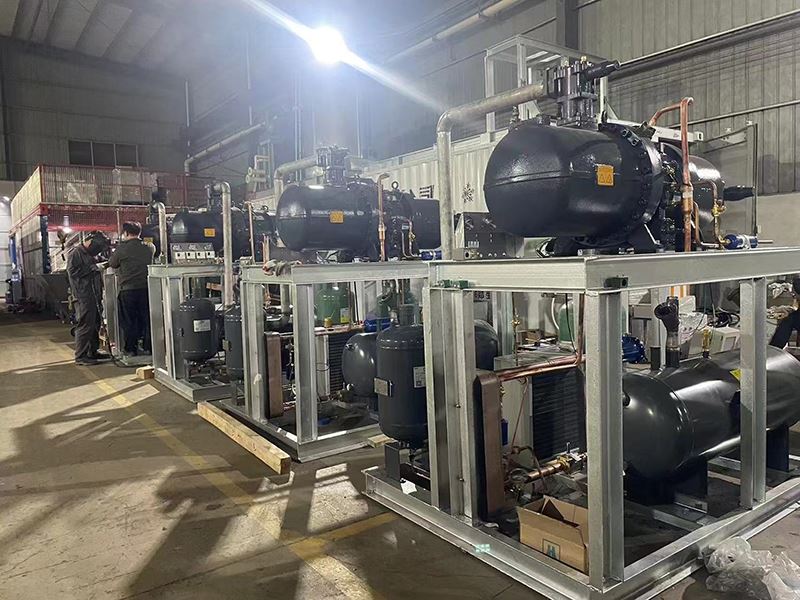
Compressor Performance
The compressor is the heart of any refrigeration system, and altitude can have a profound impact on its performance. At higher altitudes, the reduced air density affects the compressor's ability to draw in and compress air.
Since the compressor relies on the intake of air to create the necessary pressure differential for the refrigeration cycle, a lower air density means that the compressor has to work harder to move the same volume of refrigerant. This increased workload can lead to higher energy consumption, increased wear and tear on the compressor components, and ultimately, a shorter lifespan of the compressor.
Moreover, the reduced air density at high altitudes also affects the cooling of the compressor itself. Compressors generate a significant amount of heat during operation, and they rely on the surrounding air to dissipate this heat. With less dense air at high altitudes, the heat transfer rate is reduced, causing the compressor to run at higher temperatures. This can lead to overheating and potential damage to the compressor motor.
Heat Exchanger Efficiency
Heat exchangers, including evaporators and condensers, are crucial components in refrigeration systems. They are responsible for transferring heat between the refrigerant and the surrounding environment. Altitude can affect the efficiency of these heat exchangers in several ways.
As mentioned earlier, the change in atmospheric pressure at high altitudes affects the boiling and condensing points of the refrigerant. In the evaporator, the lower boiling point can cause the refrigerant to evaporate too quickly, reducing the contact time between the refrigerant and the evaporator coil. This results in less efficient heat transfer from the refrigerated space to the refrigerant.
In the condenser, the reduced air density at high altitudes means that there is less air available to carry away the heat from the refrigerant. This can lead to higher condensing temperatures, which in turn increase the pressure in the condenser. The compressor then has to work harder to overcome this increased pressure, further reducing the overall efficiency of the system.
Impact on Specialized Applications: Seafood Refrigeration
When it comes to specialized applications like Refrigeration Equipment for Seafood, the effects of altitude become even more critical. Seafood is highly perishable and requires precise temperature control to maintain its quality and freshness.
At high altitudes, the challenges posed by altitude on refrigeration equipment can directly impact the quality of the stored seafood. If the refrigeration system is not able to maintain the desired low temperatures due to altitude - related issues, the seafood can spoil more quickly, leading to significant losses for seafood suppliers and retailers.
For example, in a seafood storage facility located at a high - altitude mountainous region, the reduced efficiency of the refrigeration system can cause the temperature inside the storage unit to fluctuate. This can lead to the growth of bacteria and other microorganisms, which can contaminate the seafood and make it unsafe for consumption.
Solutions for High - Altitude Refrigeration
Despite the challenges posed by altitude, there are several solutions that can help ensure the optimal performance of refrigeration equipment at high altitudes.
Refrigerant Selection
Choosing the right refrigerant is crucial for high - altitude applications. Some refrigerants are more suitable for high - altitude conditions than others. Refrigerants with a higher boiling point can help mitigate the effects of the lower atmospheric pressure at high altitudes. Manufacturers often provide guidelines on the recommended refrigerants for different altitude ranges.
Compressor Sizing and Modification
Proper compressor sizing is essential for high - altitude refrigeration systems. A compressor that is too small may not be able to handle the increased workload at high altitudes, while a compressor that is too large can lead to inefficient operation. In some cases, compressors may need to be modified or adjusted to account for the reduced air density at high altitudes. This can include changes to the compressor's intake valves or the addition of a turbocharger to increase the air intake.
Heat Exchanger Design
The design of heat exchangers can also be optimized for high - altitude applications. Larger heat exchangers with increased surface area can help compensate for the reduced heat transfer efficiency at high altitudes. Additionally, using more efficient heat transfer materials or improving the airflow around the heat exchangers can enhance their performance.
Contact Us for High - Altitude Refrigeration Solutions
If you're facing challenges with refrigeration equipment at high altitudes, especially for specialized applications like seafood refrigeration, we're here to help. As a leading supplier of refrigeration equipment, we have the expertise and experience to provide customized solutions that meet your specific needs. Our team of experts can assess your requirements, recommend the right equipment, and provide installation and maintenance services to ensure optimal performance.
Don't let altitude be a barrier to the efficient operation of your refrigeration system. Contact us today to discuss your high - altitude refrigeration needs and let us help you find the perfect solution.
References
- ASHRAE Handbook of Refrigeration. American Society of Heating, Refrigerating and Air - Conditioning Engineers.
- “The Effects of Altitude on Refrigeration Systems” by John Doe, Journal of Refrigeration Technology.
- Manufacturer's guidelines for high - altitude refrigeration equipment.


